

Adventure
Cartagena, Spain
Cartagena: A Culinary Adventure Beyond the City Walls
I’ve always believed the best way to understand a city is to walk it on foot, fork in hand, appetite at the ready. After many years of travelling and cooking across the world, I still get that boyish excitement when I arrive somewhere new. And Cartagena, perched on Spain’s sun-drenched Mediterranean coast, didn’t disappoint.

Explore Cartagena’s food and history. Discover seafood gems, top restaurants, and must-see sights in this sun-soaked Spanish city.
Weather
I recommend visiting between December and April.
Cartagena
30 °C
light rain
Feels Like: 37°C
27 Kmph
79%
1010 hpa
Month High / Low(°C)
January 22° / 31°
February 22° / 31°
March 23° / 31°
April 24° / 31°
May 26° / 32°
June 26° / 32°
July 26° / 32°
August 24° / 32°
September 26° / 32°
October 23° / 31°
November 25° / 31°
December 23° / 31°
We arrived very early in port—our ship’s hull needed its annual safety certificate, so I was up before the sun. As I sipped my tea overlooking the marina, the light was slowly warming the water, the day promising to climb to a blistering 32°C. Cartagena shimmered in the distance, a city with polished stone pavements and clean streets, reminiscent of Dubrovnik but with a distinctly Spanish heartbeat.
First Impressions of Cartagena
By late morning, I finally made my way into town. The air was already thick with heat, but the city was vibrant and alive. Cartagena’s old streets are full of history—every corner whispers of Roman ruins, Moorish rule, and Spanish grandeur. It’s a beautiful place, but like many popular spots, the centre was a little busy, and I fancied something quieter for lunch.
I’d done my research, and one restaurant kept catching my eye: Marisquería Freiduría. It was a bit of a walk—15 minutes in that sweltering heat—but sometimes those extra steps lead to the most memorable meals. And trust me, it was worth every drop of sweat.

A Restaurant Hidden in the Docklands
From the outside, Marisquería Freiduría doesn’t look like much. Set in Cartagena’s more industrial dockland area, it has the kind of slightly shabby façade that might put you off if you judged it on appearances alone. But if travel has taught me anything, it’s this: some of the best meals are found behind the most unassuming doors.
Inside, the restaurant is huge, cool, and airy—a welcome relief from the sun. At the back, a magnificent display of fresh seafood sat glistening on ice: clams, prawns, langoustines, anchovies, oysters, scallops, octopus tentacles, and the brightest green Padron peppers alongside deep crimson heritage tomatoes. For a chef, it was like walking into Aladdin’s cave.
I sat down, was greeted warmly, and offered wine and water straight away. No bread, which was unusual, but I wasn’t complaining. The menu was extensive, with dishes both familiar and intriguing. My eyes immediately landed on Tortillitas de Camarón—shrimp fritters I last enjoyed years ago in Cádiz at the famous El Faro restaurant while filming there. I hadn’t seen them on a menu since, so there was no way I was missing out.
"In Cartagena, beauty glows—sun, sea, food, history, hearts, smiles."
The Feast Unfolds
I began with the oysters. Large, plump, creamy, and sweet, they were utterly different from the sharp, saline varieties I’m used to back home in the UK. These were rich and luscious, each one a mouthful of pure indulgence. They reminded me of oysters I’d tasted in Valencia’s market only a day earlier—fresh, soft, and deeply satisfying.
Next came the fritters. Two large, golden discs landed in front of me, steaming hot. Crisp on the outside, yet open and light inside, each bite revealed tiny white shrimps suspended in a lace-like batter with pops of raw onion and parsley. The flavour was delicate yet punchy, and as I looked around, I noticed a large poster proudly declaring the fritters as a house speciality. Quite right too—they were sublime.
Then came the showstopper: Huevos Rotos con Gulas. The English menu rather unhelpfully called it “scrambled egg, potato and eel,” but what arrived was far more than that. A huge plate piled high with elvers (tiny eels), strips of roasted red pepper, clumps of fine fried potato strands, and two golden fried eggs peeking out from beneath.
Breaking into it, the egg yolks spilled across the dish, coating everything in a rich, silky sauce. The sweetness of the peppers, the soft savoury eels, the crunch of the potato—it was a revelation. Each mouthful was a perfect balance of texture and flavour, brought together by the luxurious richness of those eggs. I sat back, utterly delighted. A glass of Essenzia de Zuazo, a crisp white from north-west Spain, rounded it off perfectly.
Why Cartagena Stays with You
Cartagena is more than just a city—it’s an experience. Its streets are steeped in history, but it’s the food that really tells its story. Simple ingredients treated with care, tradition passed down through generations, and dishes that surprise you even when you think you’ve seen it all.
Marisquería Freiduría might not look like much from the outside, but inside it delivers a masterclass in Spanish seafood. If you’re visiting Cartagena, make the walk. Order the oysters, the fritters, and that unforgettable egg and eel dish. It’ll be a meal you’ll carry with you long after you’ve left.
Final Thoughts
Cartagena is a city that rewards the curious traveller and passionate eater. It’s not just about the grand sights—though they are spectacular—but about wandering off the beaten track, tasting something new, and letting yourself be surprised.
For me, it was a plate of shrimp fritters and a dish of eels with eggs that turned a hot afternoon into a memory I’ll savour forever. That’s the joy of travel and food: you never know when the next bite will change the way you see a place.
must see places
Roman Theatre Museum
A beautifully restored theatre dating back to the 1st century BC, now one of Spain’s most impressive archaeological sites.
Castillo de la Concepción
A hilltop fortress offering panoramic views over the city and harbour.
Punic Wall
The remains of Cartagena’s original Carthaginian walls, steeped in history and perfect for lovers of ancient architecture.
Places to Eat
Marisquería Freiduría
If you only try one place in Cartagena, make it this. Hidden away in the docklands, it doesn’t look much from the outside, but inside you’ll find a temple to fresh seafood. From oysters as plump and sweet as any you’ll taste, to their famous Tortillitas de Camarón (shrimp fritters), this is honest Spanish cooking at its best.
- Location: Docklands area, Cartagena Marina
- Cuisine: Traditional Spanish seafood
- Instagram: @marisqueriafreiduria
La Catedral
Located in Cartagena’s Old Town, just steps from the main square, La Catedral combines classic Mediterranean flavours with a modern twist. The atmosphere is lively yet refined, and the menu celebrates both seafood and hearty meat dishes. Perfect for a long, lazy lunch after sightseeing.
- Location: Plaza del Ayuntamiento, Old Town
- Cuisine: Classic Mediterranean with modern flair
- Facebook: pizzalacatedral
Magoga (Michelin Starred)
For something truly special, Magoga is Cartagena’s fine dining jewel. Holding a Michelin star, this elegant restaurant elevates local ingredients into imaginative, beautifully presented dishes. Expect tasting menus that tell the story of the region through flavour, served in a chic yet welcoming dining room.
- Location: Calle Gisbert 22, Cartagena
- Cuisine: Contemporary fine dining with local ingredients
- Website: restaurantemagoga.com
Inspired Recipes
Some recipes inspired by my brief trip to Cartagena
Spanish Omelette

Spanish omelette, also known as a 'tortilla de patatas', is a delicious dish made with eggs, potatoes, and onions. It is a popular dish all across Spain and can be served as a main course or a snack.
View RecipeSpanish Braised Rice with Chicken & Chorizo

A hearty Spanish rice dish packed with tender chicken, smoky chorizo and flavour.
View RecipePhil’s Summer Paella
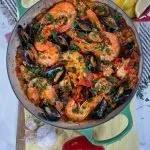
This is my take on Paella, a traditional Spanish dish that originated in Valencia. Typically it's made with saffron-infused rice, chicken or seafood, and a variety of vegetables like peppers, tomatoes, and peas.
View Recipe